
Home > Blog > Canon 1DX Mark III for Astro
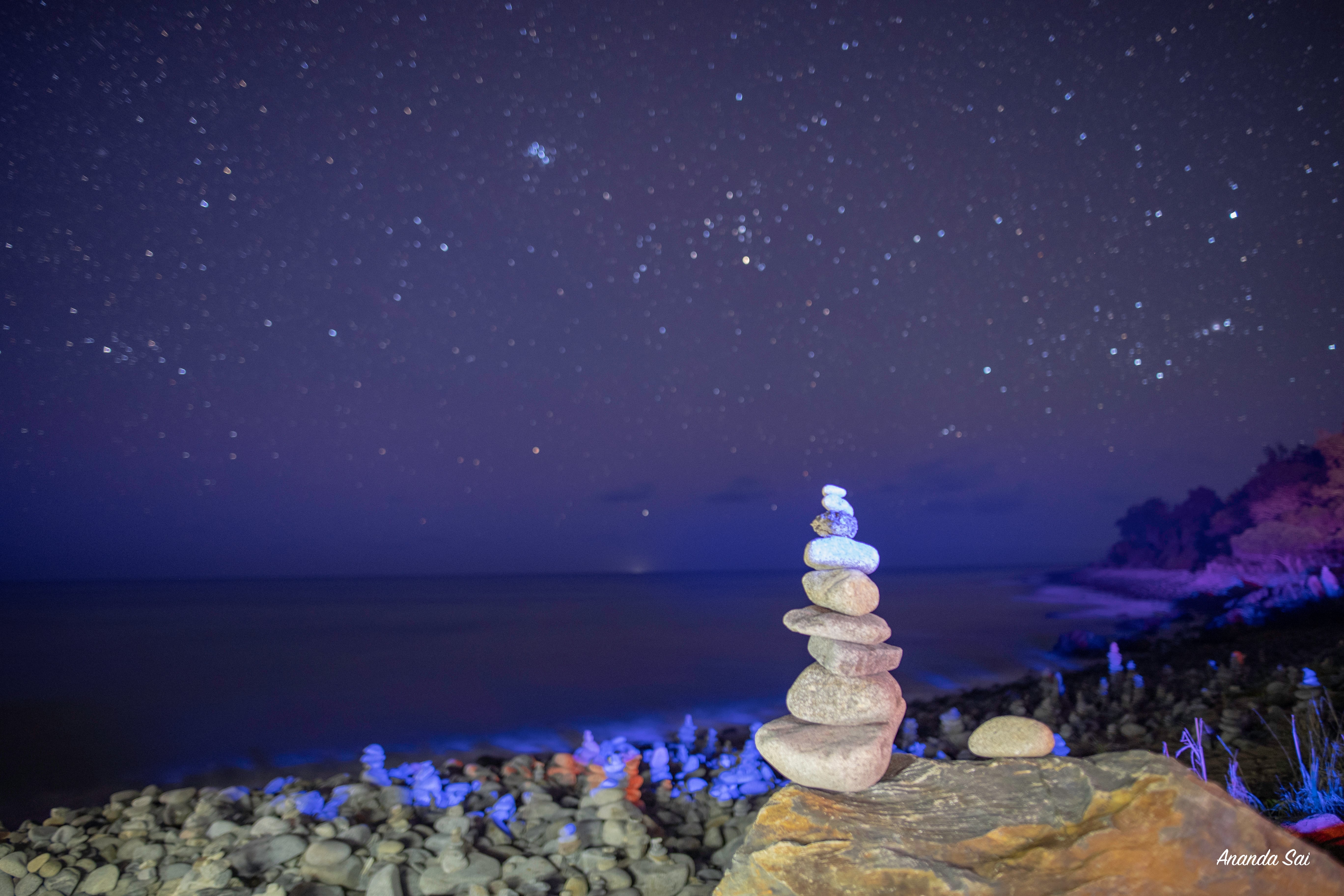
Canon 1DX Mark III for Astro
Mar 2021
Astrophotography allows us to have a peak in to the stars above. Given our eyes are not strong enough to see the beautiful colours of the Milky Way or whisps of dust clouds, we have developed technologies to aid us in seeing the colours and stars above with ease.
Astrophotography is a very expensive hobby and with that a lot of time money is spent on telescopes, equatorial mounts, trackers etc. A lot of times it leaves very little left in the budget for cameras. And whilst a lot of basic DSLR’s are good, I shall be talking about the best of the best, Canon’s Flagship, the Canon 1DX Mark III with respect to Astrophotography.
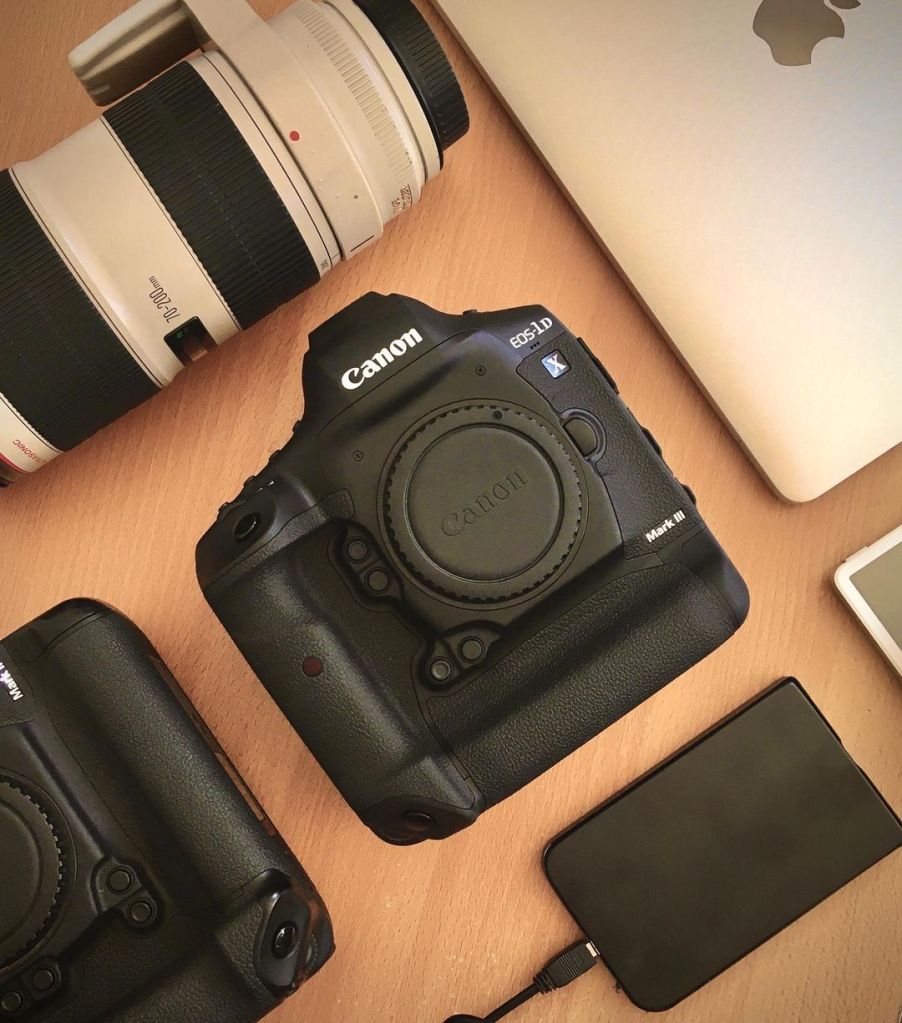
Figure 1: The new Canon 1DX Mark III
Released at the start of 2020, this flagship camera was aimed at sports, wildlife and journalist professionals who needed the best canon had to offer. With it’s brand new 20.1 MP sensor, it redefines what is possible especially with its fantastic low light capabilities.
Because a full frame sensor is bigger, it allows more light to enter and be recorded. This is very beneficial to astrophotography, as you want to record as much light as possible without sacrificing on quality. See image below for reference
I was lucky to get my hands on one of these fantastic 1DX Mark III’s in October so I had only a couple of weeks to capture the Milky Way setting before the season came to an end for 2020.
With the perfect conditions, I made my way towards Sunshine coast to capture the Milky Way setting over Glass House Mountains. Reaching the top of the Wild Horse Lookout, I was treated to a spectacular view of the mountains facing west.
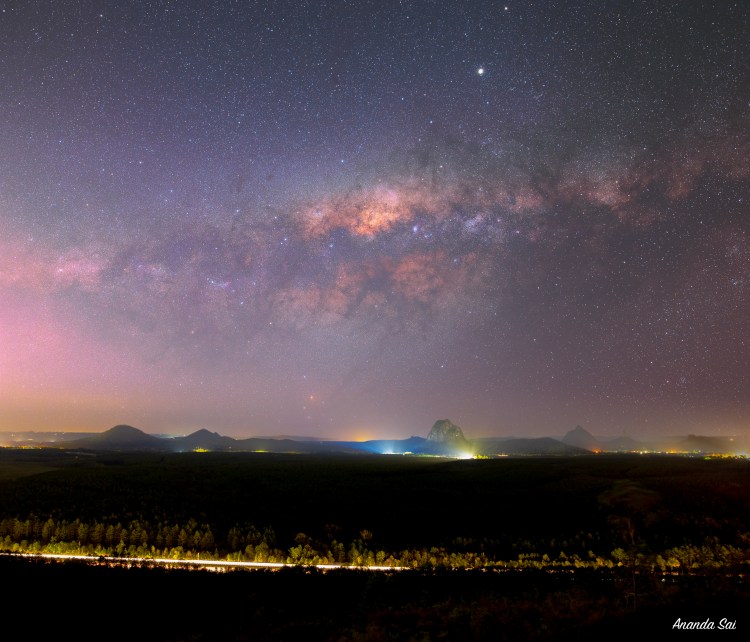
Figure 2: My favourite image of the beautiful Milky Way setting over the Glass House Mountains. 24mm, ISO1000, f/4.0, 6minutes exposure
Apart from the brand new sensor, Canon has also installed a brand new low pass filter which allows for greater clarity and slightly sharper images. From the image above, to me it is visibly clear that this new camera produces sharper images than the previous model (1DX Mark II). Apart from sharper images, this camera really blows me away with how clean the images are. Albeit, they were captured at ISO800 but despite that, it is very very clean. The left side of image is brighter because of the bit of light pollution from Brisbane city lights but despite that, the details and colours are brought out quite nicely.
Next up I turned my attention to the summer night skies of Orion and Pieledes. To capture this, I used a Sigma 150-600mm lens focused at 600mm. At 600mm, the maximum aperture is f/6.3 which doesn’t allow too much light so to compensate it, so you need higher ISOs and longer exposures.
This was perfect as I had the opportunity to test the high ISO capability of this camera.
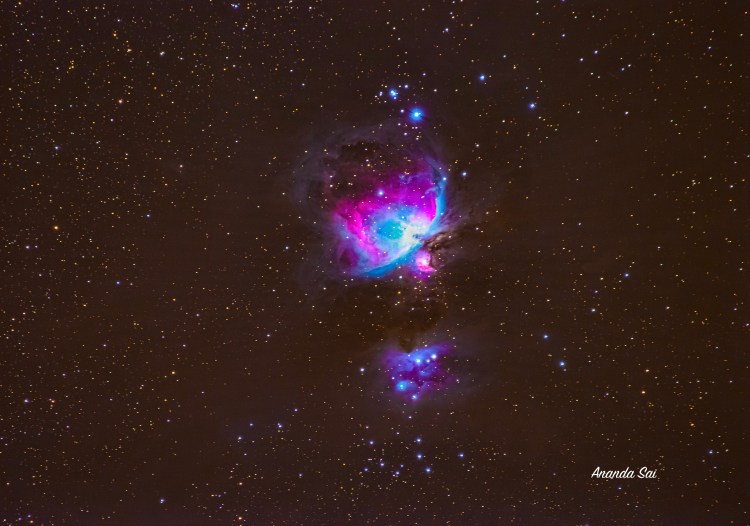
Figure 3: The stunning Orion nebula captured at ISO6400, f/6.3 and 30minutes total exposure.
It is also important to mention that given the new sensor with improved read out for higher ISOs, the Dynamic Range has also improved. The dynamic range is a range whereby the camera can capture detail in the highlights while having details in the shadows and not allowing it either to be blown out. On the new 1DX Mark III, the Dynamic Range is said to be 14.5 stops at base ISO. Generally, the dynamic range narrows down as you increase ISO, so with a better higher ISO performance, the dynamic range would have also improved compared to previous generation cameras.
Having a camera that can perform well and have a high dynamic range is useful as it allows you to capture the highlights within each bright star/nebula and captures the details in the dark dusty regions. This is evident in the Orion Nebula image in Figure 3 where the center of the image is full bright young stars while the outer edge of the nebulas has dark clouds that are slightly visible.
Another advantage of using a traditional DSLR is that you can compose your image with through your Optical View finder (ie. With the mirror) and only activate your sensor when focusing on the stars and taking your image. This allows for the sensor to stay cool and produce less noise but also more importantly it allows for excellent battery life. To compare, a mirrorless camera would be able to give ~ < 300shots per battery while the 1DX Mark III can give you >2800 shots per battery! This is a big deal breaker as it allows you to go out into the middle of nowhere for the perfect dark sky location and shoot all night long without ever worrying about whether your camera will have enough juice left or not.
Given it is a pro DSLR, it is a big body with really good ergonomics. With astrophotography, it more likely will be on a tripod but given the big size and the decent weight, it will be able to hold it’s ground and not be swayed by wind. This, along with the excellent battery life, is good for creating star trails. Another feature with pro DSLR’s is that they are weather sealed. While you won’t able to capture stars during rain/hail/snow, you can safely shoot during cold winter conditions. In Australia, our peak Milky Way season is during winter so to be able to shoot safely in the cold and not worry about the camera is a win.
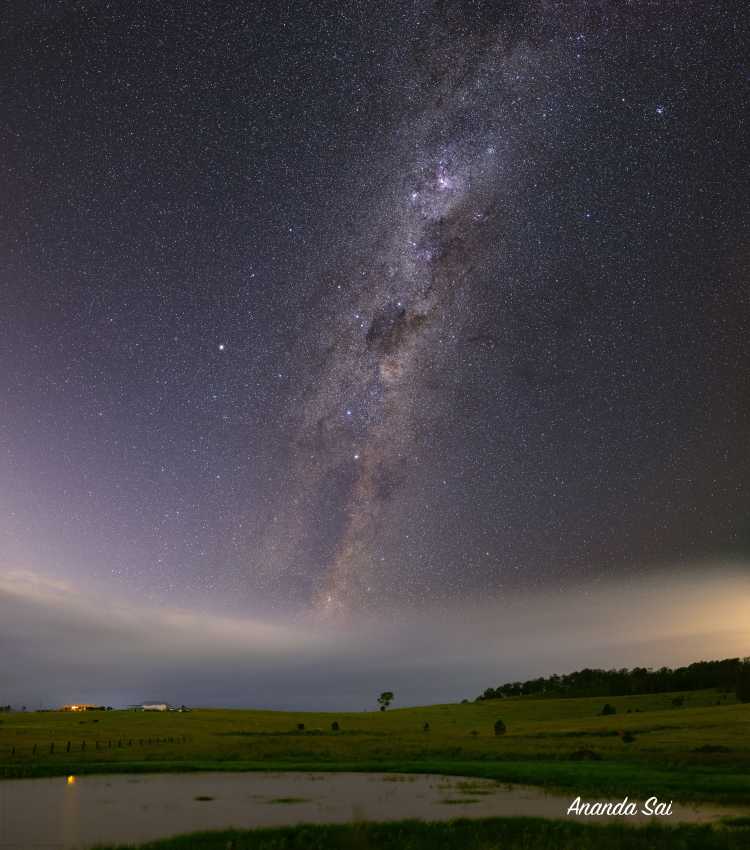
Figure 4: The gorgeous Milky Way tail as seen during the December nights.
Overall this camera is a fantastic, best performing camera. Albeit with only 20MP, it is more than enough for astrophotography because of the large area per pixel. With it’s new sensor being able to capture high dynamic range and produce stunning images with relatively no noise, this camera really is really a dream camera to have.
Understandably, it is very expensive and wasn’t designed specifically for astro, however it is still a very useful and professional tool for capturing the night sky above.

Figure 5: Canon 1DX Mark III with a Sigma 24mm ART tracking the Milky Way tail.
Enjoy Shooting!
Let’s build something together.




 Ananda Sai Gallery