Tips and tricks on capturing beautiful scenes with your camera and not a drone.
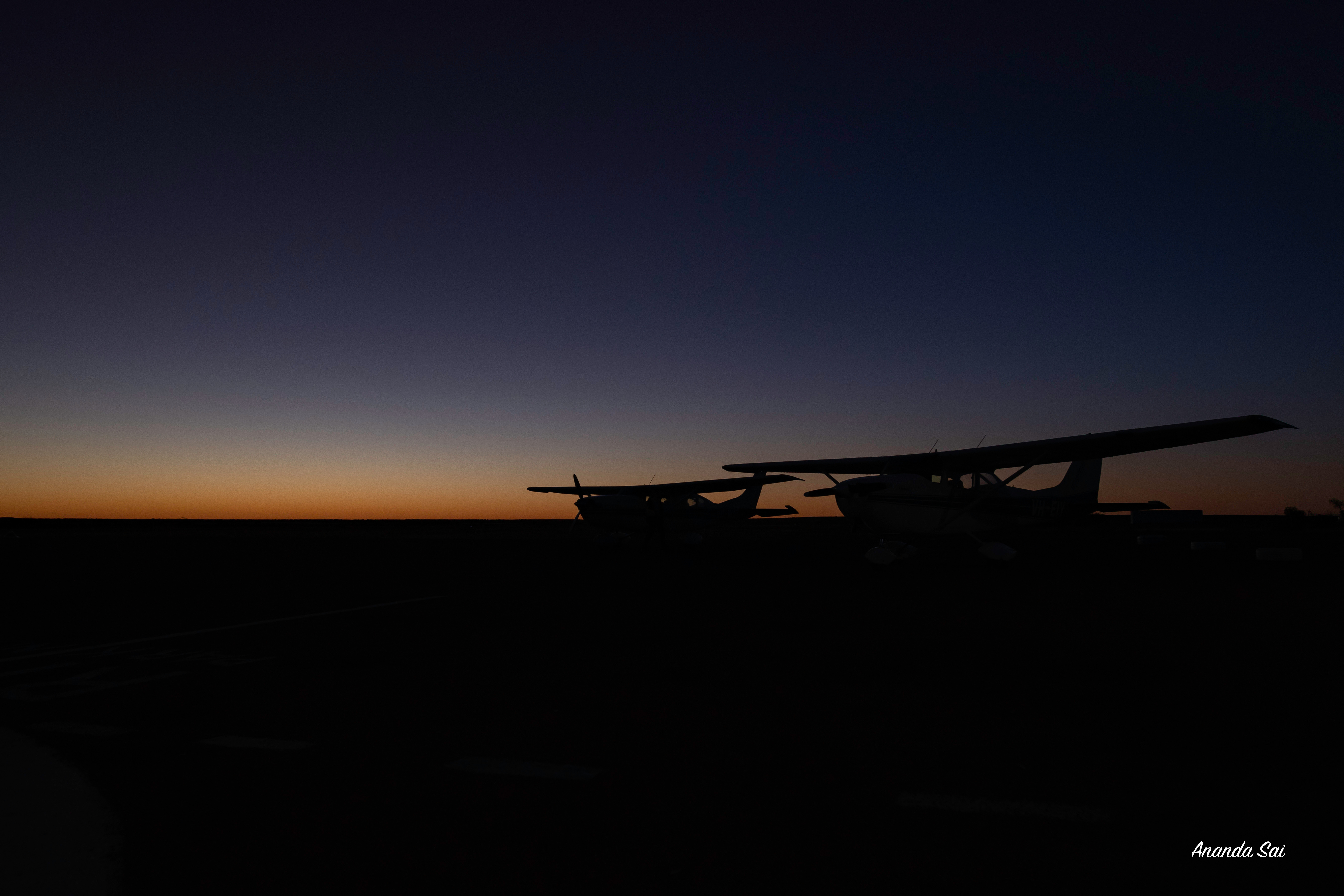
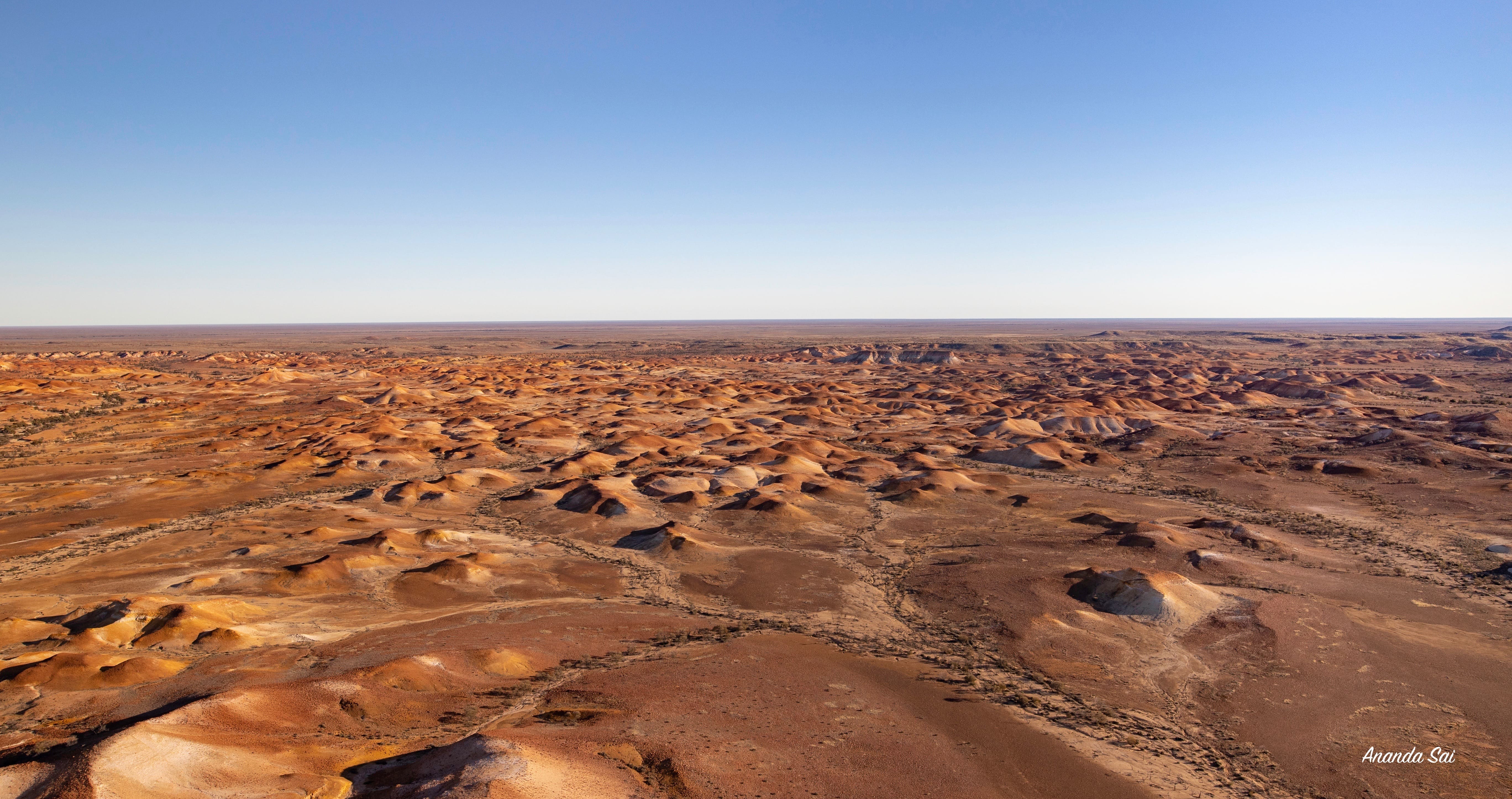
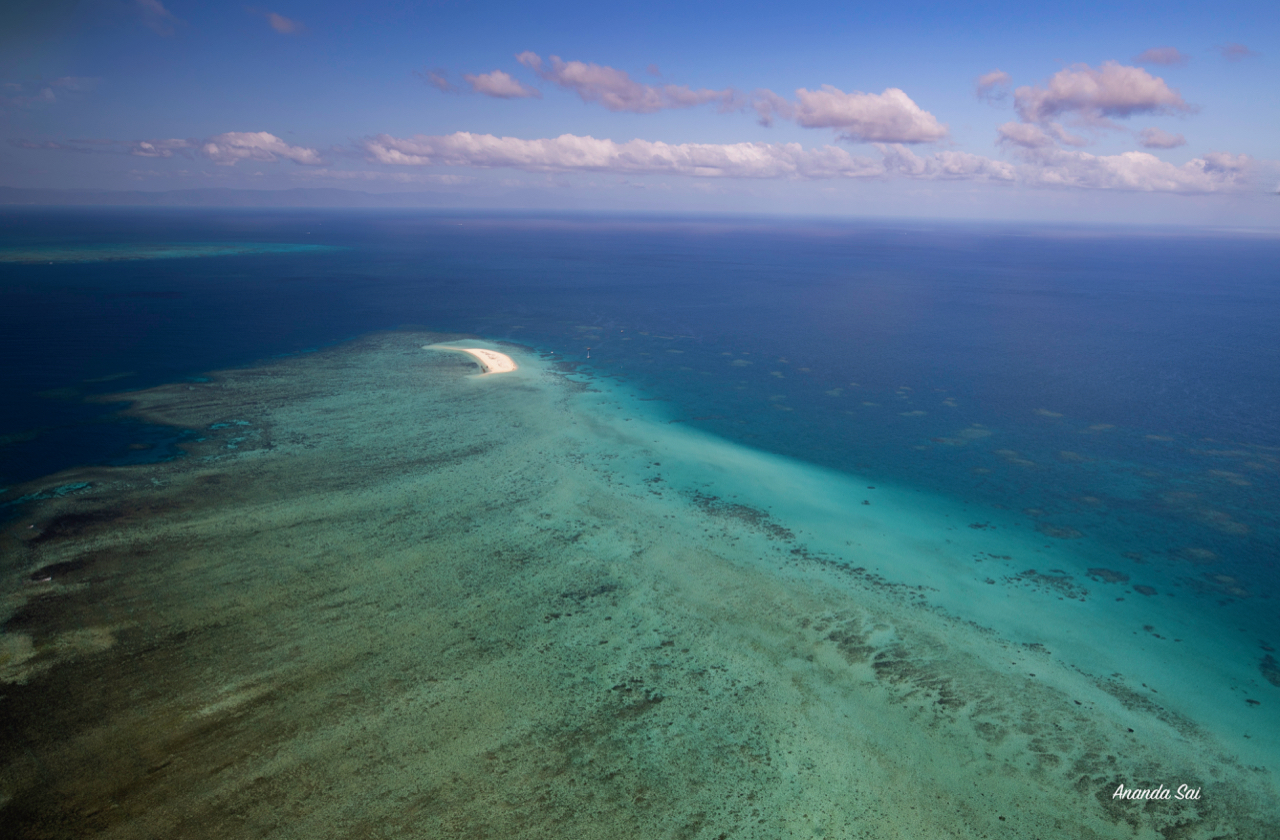
Capturing stunning landscapes is a joyous experience but taking them from the air adds a whole new level of beauty to the image. Another way to capture a breathtaking scenery is to capture it from a different perspective, usually a higher perspective.
Whilst drones are the friendliest option, it is not always the best. That is due to the increased laws on where you can and can’t fly them and also due to the small sensor on board drones which limits how big you can print your images.
The next best option is to jump onboard a helicopter or an aircraft and capture your shot from the air. This is my favourite option as it allows you to use your best camera and also your best lens to create something special. Choosing your own focal length allows you to isolate the subject and create something unique. The experience you also get from flying above ground to capture landscapes is truly exhilarating.
Helicopter or Aeroplane?
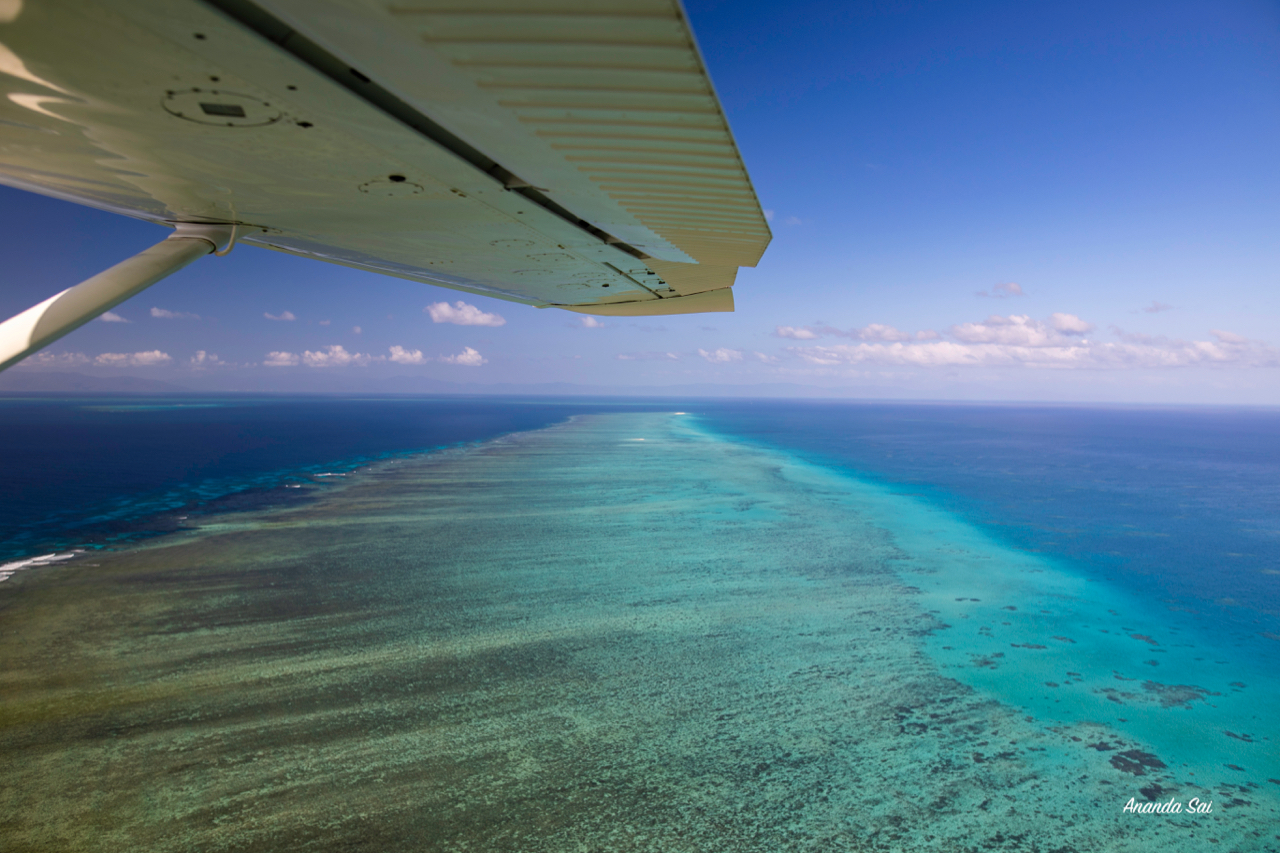
When aiming to do an aerial photoshoot, always ask for the door’s to be removed as it removes window glare and gives you a wider field of view to frame your shot and capture it. There are primarily 2 methods of transportation when it comes to aerial photography. There are Helicopter flights and then there are aeroplane flights. Both of them are really good but do have downsides. With helicopter flights, you are limited to a couple seats therefore you can’t bring any family/friends to enjoy the adventure with you. Helicopters also travel slower than planes thus can take longer to get to your desired spot or multiple spots. This in turn can lead to a very costly trip as helicopters are also more expensive to operate per minute. Despite this, helicopter are good as it gives you the flexibility to hover at your desired location and spend more time at it. Combine that with no doors! With aircrafts, you are almost always given a small aircraft to fly in as it is easy and safe to remove doors. The disadvantages to small planes are that unlike helicopters (that can hover), planes need to be continuously fly meaning you will have under a minute at your desired spot before you’re in another location. Despite this, planes are cheaper to operate and can allow you to spend more time in the air with your budget. And given it’s relatively faster speed when compared to a helicopter, you will be able to cover more desired locations.
Camera tips?
Whilst physically removing the doors adds thrill to the adventure, it also adds noise, vibration and wind. Lots of wind, though it is manageable. With all this, it is advised to always shoot with a shutter speed of above 1/1000th of a second. This is to freeze the moment in time and avoid any blurs. If your camera or lens is capable of Image Stabilization than make sure it is switched on.
For wide angle shots, I would recommend a 24mm or a 35mm lens (for a full frame camera). You wouldn’t want anything wider as you will start to capture the aircraft itself (wings or rotor blades) in your shot. Concurrently, a shutter speed of 1/1250th second is perfect to freeze the moment.
For closeup shots, I would recommend using a 70-200mm lens as this allows you to get in close with your subject and capture greater detail. Along with this, a shutter of 1/2500th second would be good to capture the scene. Do adjust and increase your shutter speed as you go to ensure your images are sharp.

Lastly, switch to full manual and set your ISO to Auto. I had to learn the hard way by using shutter priority which opened up my aperture fully to let in more light as 1/1250th second is fast. This was detrimental as a wide aperture meant a shallow depth of field which meant that only a silver line in my image was sharp.
Instead, switch to full manual, set ISO to Auto, set aperture to f/4 or f/5.6 and set your shutter speed accordingly to your lens. By doing this, you can be assured that your images will be sharp without motion blur, it will be perfectly lit thanks to Auto ISO and most of your subject will be in focus thanks to a smaller aperture.
Finally, don’t forget to be enjoy and appreciate the moment as it is rare to experience our natural beautiful planet from the air.
Enjoy Shooting!

 Ananda Sai Gallery