
A review on the Canon EF 50mm L f/1.2 vs the Sigma 50mm EX f/1.4
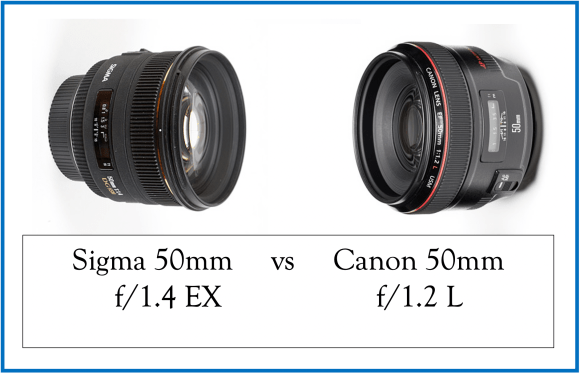
In the photography world, the 50mm focal length is one of the most versatile focal lengths to use. Achieving the 50mm image can be done with a zoom lens or with a dedicated fixed 50mm lens. The latter usually allows for larger apertures which in turn gives better image quality.
In my experience, the Sigma 50mm ART is by far the sharpest 50mm lens I have ever used, hands down. It is even sharper than the new RF 50mm f/1.2. However, it is one bulky lens which is not ideal for travel. So what’s the next best option?
When travelling and you need a 50mm lightweight lens whilst maintaining a good amount of sharpness, there are 2 next best options for DSLRs. These are either the Canon 50mm f/1.2 L or Sigma’s former 50mm f/1.4 EX lens. These 2 lenses are separated by a big price difference, however, I chose to compare these 2 lenses due to it’s similar size and weight.
Canon 50mm f/1.2 L lens is their best 50mm lens for their DSLRs being first introduced in 2007 which was amazing for its time. The Sigma 50mm f/1.4 EX lens was a cheaper more affordable option introduced in 2008 and later replaced by the more advanced ART series which shook the photography world with it’s sharpness. Having both these lenses with me at the same time, I decided to test out its sharpness and autofocus.
The Canon 50mm lens benefits from having a wider aperture at f/1.2 allowing for 1/3 stop more light than the Sigma’s however images are rarely captured at f/1.2 due to its extremely thin depth of field. The Sigma lens have a nice feel to it and is slightly lighter than the Canon’s lens however it lacks weather sealing, something which could be a deal breaker for photographers. Both lenses have a 72mm filter thread.
Sharpness
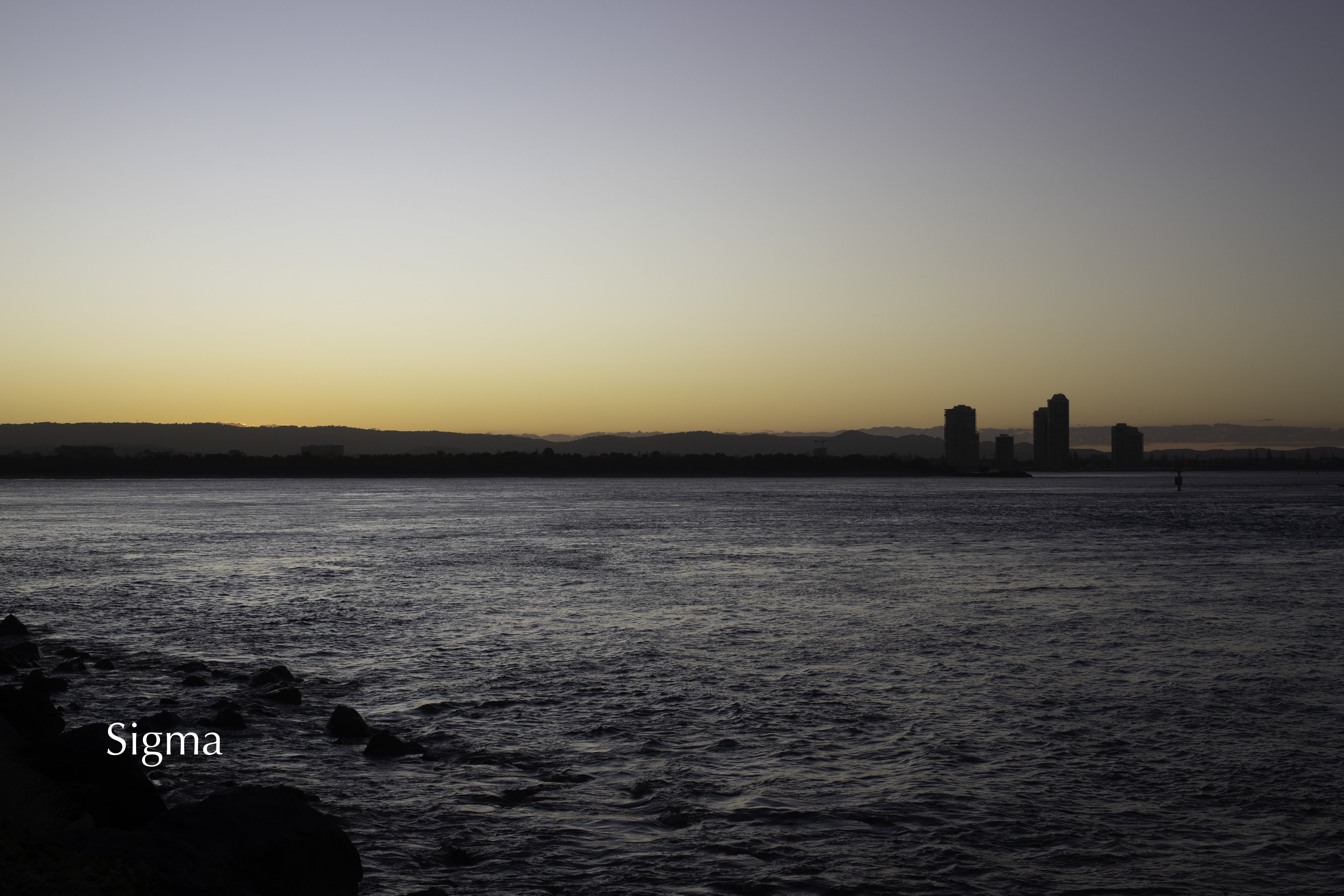

Looking at both images and at the images below (under portraits), the Canon lens has a slightly greater centre sharpness however the Sigma lens is far superior in corner sharpness. Stopping down to f/2.8 improves the corner sharpness on the Canon lens but Sigma still outperforms it. Looking at the centre of the image, the Canon lens is slightly sharper. It’s interesting to see a much cheaper lens perform to similar results as that from Canon’s flagship lens in sharpness. However by f/4 they both are comparable making it a bit difficult to distinguish which one is sharper. Canon does seem to be sharper at f/8 but not by much. Refer to the graph below for a visual representation of sharpness for both lenses. It must be noted that Sigma designed the lens with low dispersion glass which corrects for a lot of natural vignetting and this can be seen in the images where the Canon lens shows a stronger vignette than the Sigma.

Portraits
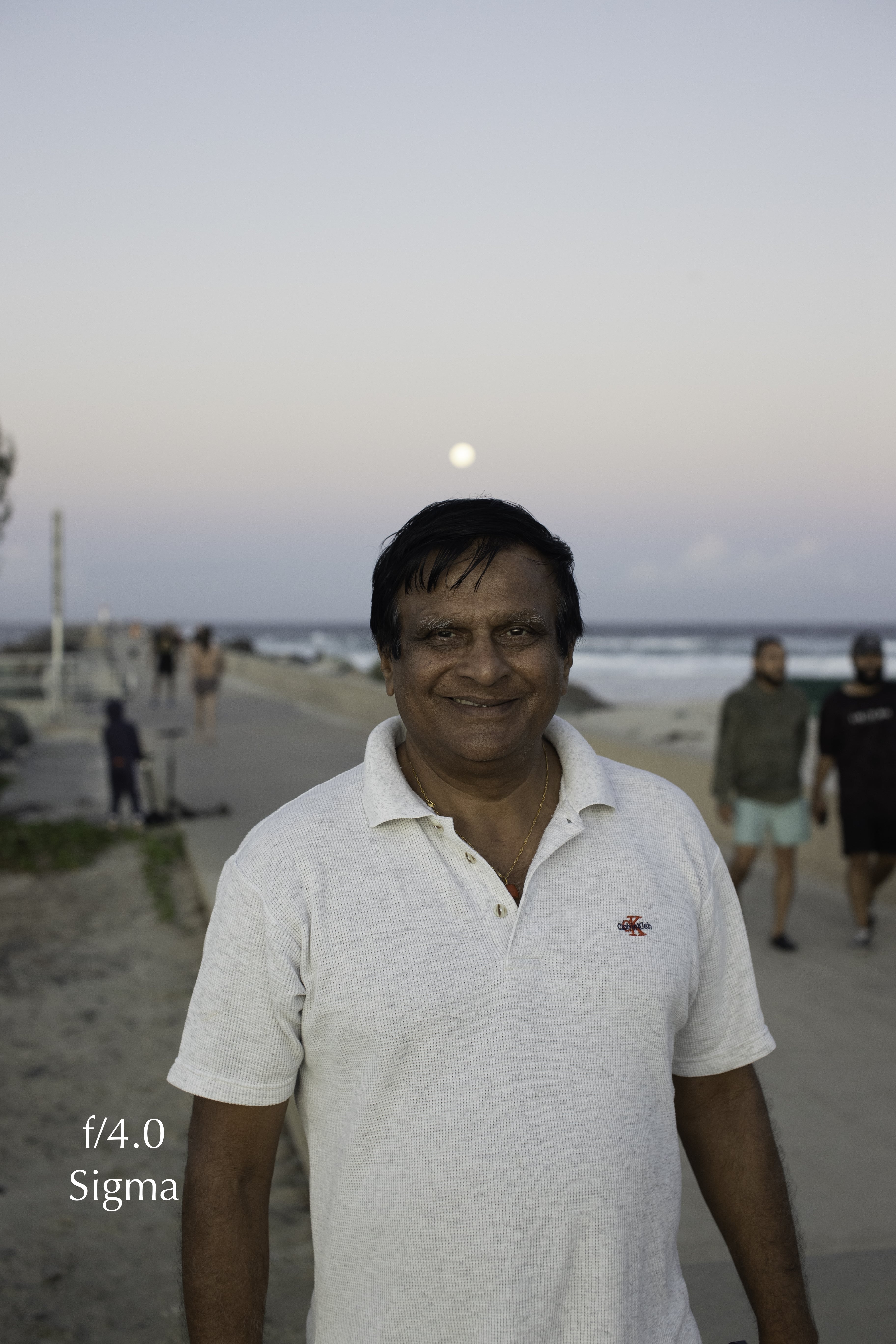
Do note that all the images are straight RAW converted to Jpegs. There was no editing. Looking at the comparisons, both lenses display pleasing bokeh (the out-of-focus region) however the Sigma version of the lens displays the subject quite nice and sharply and the Canon has a greater falloff (ie. The subject becomes very soft very quickly). However, the Canon nails the focus on the subject much better than the Sigma. Interesting enough, the Sigma images are slightly warmer. It is very marginal but can be seen when you focus on the differences. It can also be seen that the Sigma images have even lighting across the image whereas the Canon images are darker towards the corners (due to vignetting). As explained in the ‘Sharpness’ section, Sigma has low dispersion glass which prevents a lot of vignetting.





Autofocus
With the Canon lens being a native lens of the Canon body, it is naturally expected to perform better in Autofocus compared to a third party lens. Looking at video footage I captured, the Canon lens does acquire focus quicker than the Sigma lens and maintains constant focus on the moving subject. The Canon lens outperformed (naturally) the Sigma lens in focus and tracking. When shooting stills, both lenses acquired focus on the face though the Sigma took a millisecond longer.
Conclusion
Both these lenses are amazing and create wonderful images however it depends on your choice of needs. The Canon 50mm lens is sharper (in the centre only) at wider apertures which makes it ideal if you are shooting portraits and need your subject to be sharp. The Sigma 50mm has better sharpness across the whole frame and is perfect overall. If you are after landscapes and use f/5.0 or more, than both lenses perform quite similar to each other however I would choose the Canon 50mm due to weather sealing.
So which lens will I sell and which will I keep?
Looking at the results and what I need, I have decided to sell the Canon 50mm lens as I prefer the shaper Sigma option. Yes I do think the weather sealing is an important factor but whenever I am out shooting 99% of the time, it is in dry conditions. And when printing my work, image sharpness makes a huge difference on a large scaled print. And having the image sharp across the whole frame rather than the centre is important.
In today’s mirrorless world, there are amazing cameras which means the DSLRs (which aren’t dinosaurs yet) are a lot more affordable on the second hand market for new or pro photographers. There are great choices of 50mm lenses available with Sony’s being impressive but with their price being out of reach for many photographers looking to enter this creative landscape, the Sigma and Canon lenses make a lot of sense in the second hand market as they are sharp and affordable.
Ultimately it is down to you and how you choose to use your tools and make the most of it in capturing the moment.
Happy Shooting.

 Ananda Sai Gallery